Column — Design
The Form-Follows-Function Fallacy: How Frictionless Design Became a Style Worn by Institutional Caution
Efficiency has hardened from a method into a look, and interfaces that remove every point of friction have also removed the resistance through which design once carried meaning.
By Julian Mercer—14 December 2023—5 min read
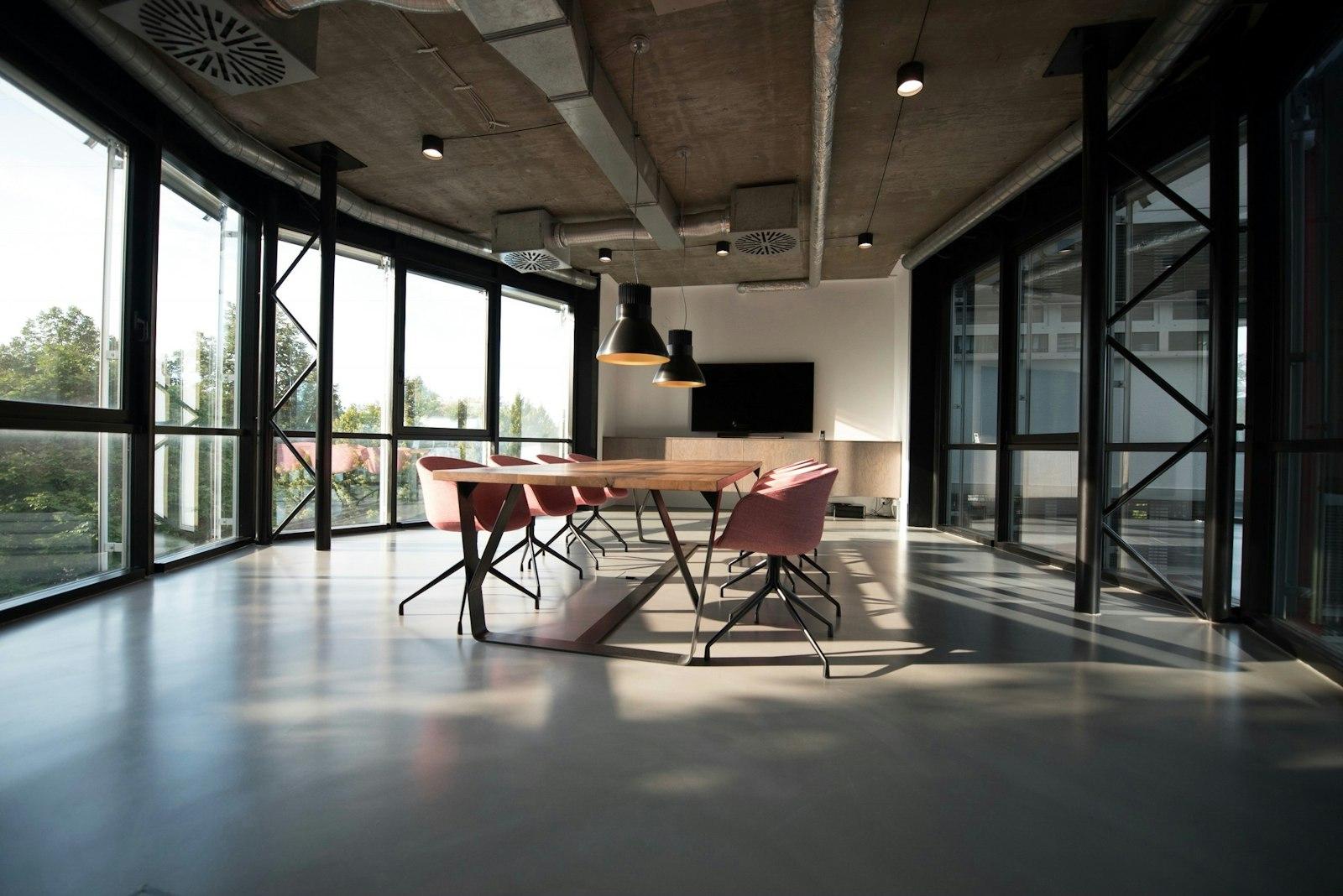
Open five apps on your phone and try, for a moment, to forget which is which. Strip away the logos and names, and what remains? Rounded corners. A sans-serif of no particular personality. A generous expanse of white or near-black, a single accent colour, usually some shade of blue, icons drawn with lines of identical weight, buttons that are polite, spacing that never wavers. The same look has spread to shop fronts, packaging, hotel lobbies and new housing. It is all perfectly competent. It is also, somehow, nobody's.
Louis Sullivan's dictum that form ever follows function was meant as a principle of method: work out what a thing must do and let its shape emerge from that. The fallacy that grew up around it, as it travelled through the twentieth century, was the assumption that the look of functionality and functionality itself were the same thing. Clean lines, absent ornament and neutral surfaces came to signal efficiency whether or not anything had been made more efficient.
Our argument is that efficiency has completed this journey from method to style, and that its current form, the aesthetics of frictionlessness, is less a solution than a posture of institutional caution. In removing every point of resistance, design has also removed the places where meaning used to lodge: the heavy door, the strange typeface, the building that asks to be understood. That is why so much of it feels corporate, even when it is made by people who would bristle at the word.
Further reading
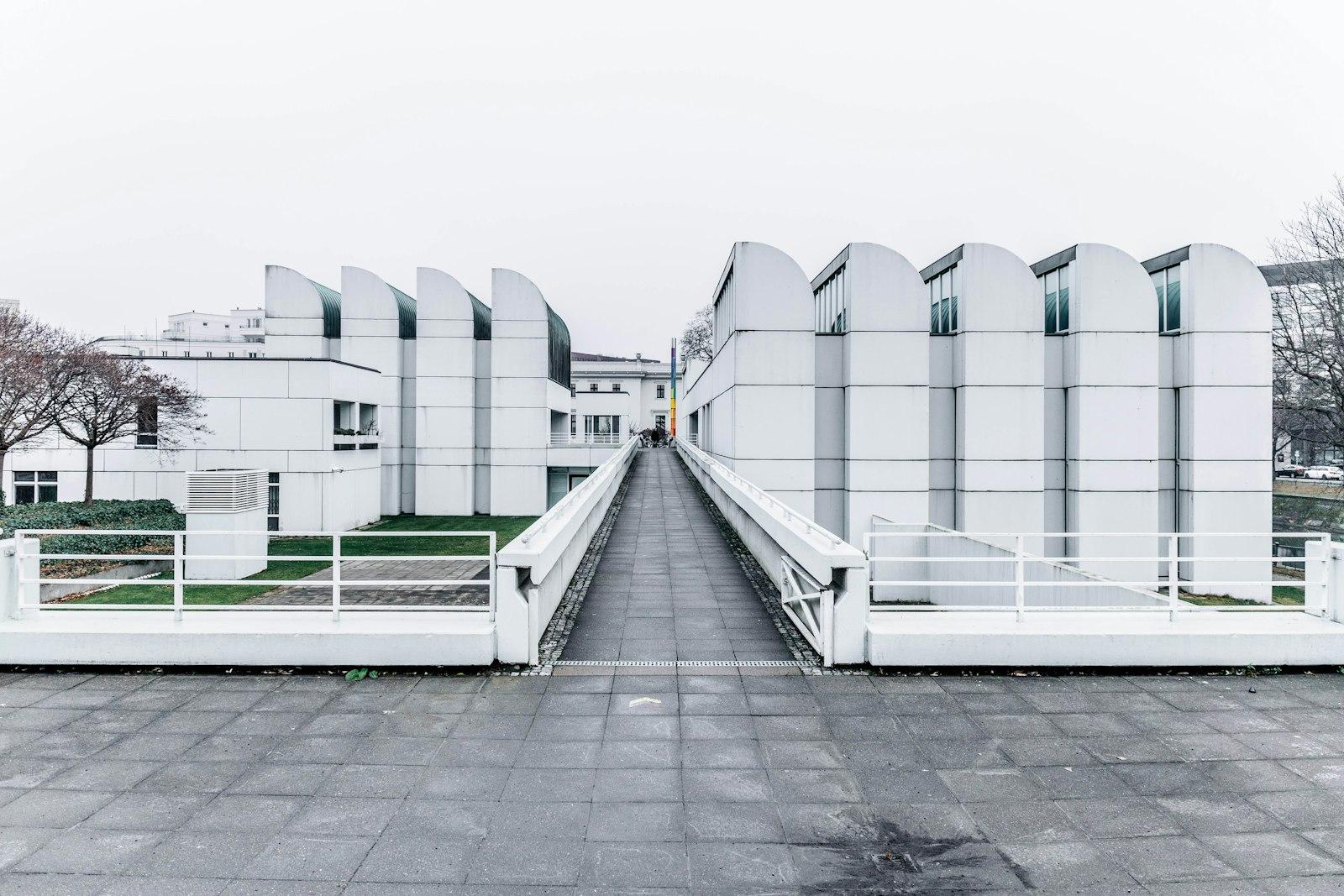
Bauhaus Functionalism Was a Method, Not a Style, and Its Imitators Inherited Only the Style
The school's real legacy was a sequence of thinking about material, use and process; the geometry now sold in its name reverses that sequence and calls the result design.
By Amina Patel—6 min read
Purpose as Barthesian Myth: Why the Mission Statement Empties the Product It Claims to Ennoble
Read through Barthes's Mythologies, the purpose-driven brand dresses a commercial exchange as a natural moral fact, and the only honest answer is a product that can be checked.
By Elena Rossi—7 min read
The Aristotelian Good Life Against Lifestyle Design: Why Beautiful, Useful Objects Can Still Fail Us
Beauty and usefulness measure whether a thing excels at being itself; Aristotle's question of flourishing asks whether it helps us live well, and design cannot dodge it.
By Amina Patel—6 min read